
When you think of tea, you might picture an afternoon break, a moment of calm, or a fragrant cup cradled between your hands. But in China, tea is more than a beverage—it’s medicine, ritual, philosophy, and culture all steeped into one. Nowhere is this more profound than in Traditional Chinese Medicine (TCM), where tea has played a supporting role for over a millennium.
In this journey through China’s ancient healing traditions, we explore how tea has been used to balance the body, soothe the mind, and prevent illness. Along the way, you’ll meet teas that warm or cool, energize or relax—and perhaps gain a deeper appreciation of what a simple leaf can do.
1. A Brief Introduction to Traditional Chinese Medicine
Traditional Chinese Medicine is a holistic system developed over thousands of years. It views the body not in isolated parts but as an interconnected system of energies, primarily governed by:
- Qi (vital life force)
- Yin and Yang (balance of opposites)
- Five Elements (Wood, Fire, Earth, Metal, Water)
Qi is more than just life force—it’s what animates and regulates every function in the body. It warms, protects, transforms, and transports. When qi is deficient (qi xu), one may experience fatigue, spontaneous sweating, and shortness of breath. When qi is stagnant (qi zhi), it often manifests as mood swings, irritability, or localized pain.
Yin and Yang represent the dynamic balance in nature. Yin is cold, still, nourishing—like blood, fluids, and physical structure. Yang is warm, active, and energetic—like metabolism and circulation. Most diseases, from a TCM perspective, arise from some form of Yin-Yang imbalance.
The Five Elements link nature to the body, each corresponding to an organ, emotion, season, and taste:
| Element | Season | Organ | Emotion | Taste |
|---|---|---|---|---|
| Wood | Spring | Liver | Anger | Sour |
| Fire | Summer | Heart | Joy | Bitter |
| Earth | Late Summer | Spleen | Worry | Sweet |
| Metal | Autumn | Lungs | Grief | Pungent |
| Water | Winter | Kidneys | Fear | Salty |
These associations guide treatment, diet, and lifestyle choices—including tea selection.
2. Why Tea Matters in TCM: More Than Just a Beverage
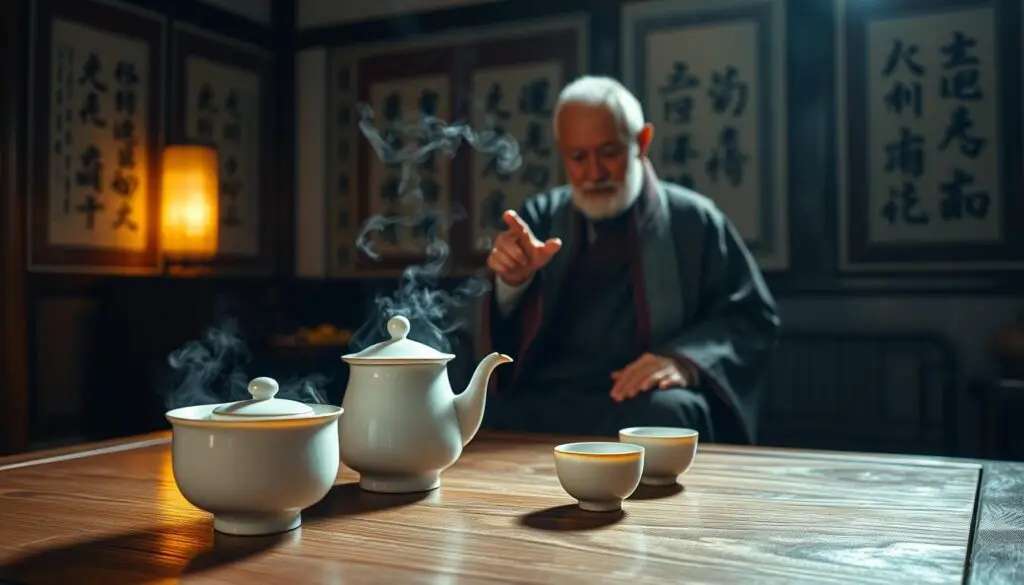
Tea holds a special place in Chinese culture—not only as daily nourishment but as a healing art with legendary origins. According to lore, Shennong, the Divine Farmer and patron of herbal medicine, once tasted hundreds of herbs daily to identify their properties. One day, poisoned by multiple toxic plants, he collapsed under a tree. Leaves drifted into his pot of boiling water. After sipping the infusion, he revived—thus, tea (“tu”) was born as an antidote.
This origin myth reinforces tea’s place at the intersection of “medicine and food sharing the same origin” (药食同源)—a cornerstone of TCM philosophy. Tea embodies this perfectly: functional enough to heal, gentle enough for daily use.
In TCM, tea is prized for several reasons:
- Mild potency: Unlike pharmaceuticals or strong decoctions, tea can be consumed daily without side effects.
- Subtle energetics: Different teas are classified by their thermal nature (cooling, warming) and effect on organs (liver, stomach, lungs, etc.).
- Ritual and rhythm: Tea drinking slows you down, centers your breath, and encourages mindfulness—perfect for nourishing shen (spirit).
A TCM doctor might recommend tea for cooling excess heat, draining dampness, or even improving mental clarity. It’s functional, but not in the “superfood” sense Western wellness trends sometimes portray—it’s rooted in observation, balance, and long-term cultivation of well-being.
3. Tea Categories in TCM: Energetic Properties and Common Uses
Tea’s therapeutic qualities are deeply linked to how it’s processed.
- Green Tea: Unfermented. Retains chlorophyll and cooling properties.
- Black Tea: Fully fermented. Develops warming, nourishing characteristics.
- Oolong Tea: Semi-fermented. Sits between green and black, balancing cooling and warming energies.
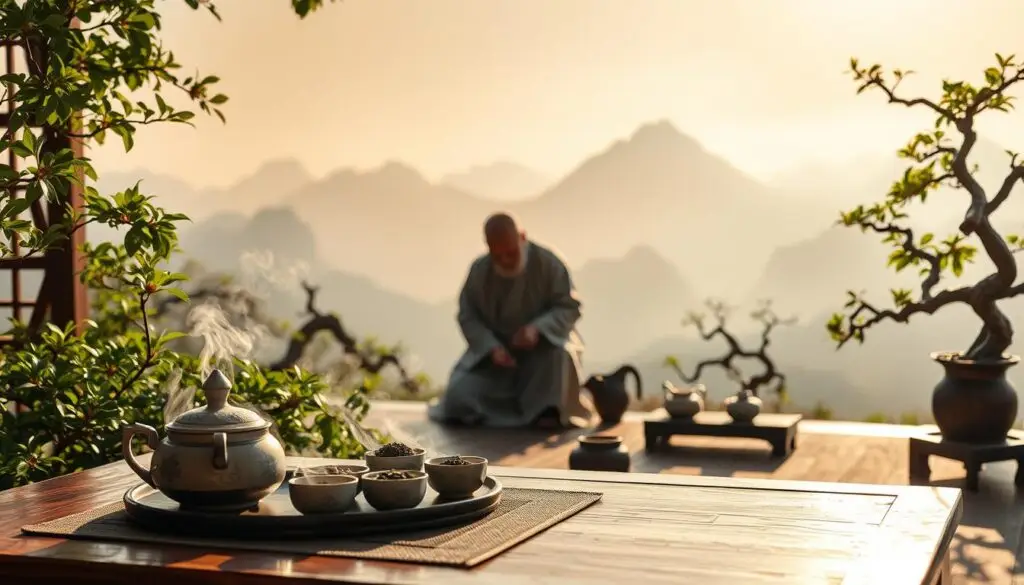
🔹 Green Tea (Lü Cha) – Cooling, Detoxifying
- Thermal nature: Cold
- Best for: Clearing internal heat, calming liver fire, aiding digestion
- TCM functions: Disperses pathogenic heat, improves vision, supports detoxification
- Meridians Entered: Heart, Liver, Stomach
- Ideal For: People prone to irritability, red eyes, acne, or those who stay up late, smoke, or consume greasy foods
Example: A TCM practitioner might suggest a cup of Longjing (Dragon Well) green tea to someone with mouth ulcers and red eyes during summer.
🔹 Black Tea (Hong Cha) – Warming, Nourishing
- Thermal nature: Warm
- Best for: Boosting yang, warming the stomach, supporting circulation
- TCM functions: Replenishes qi, dispels cold, nourishes blood
- Meridians Entered: Heart, Spleen
- Ideal For: Elderly individuals, those with weak digestion, cold limbs, or postpartum women
Example: A mild black tea like Keemun may be given after childbirth or in convalescence to strengthen qi.
🔹 Oolong Tea (Wu Long Cha) – Balanced, Harmonizing
- Thermal nature: Neutral to slightly warming
- Best for: Regulating digestion, reducing phlegm, easing tension
- TCM functions: Harmonizes spleen and stomach, promotes fat metabolism, clears slight damp-heat
- Meridians Entered: Lung, Spleen, Liver
- Ideal For: Those with irregular eating, emotional stress, or sluggish digestion
4. A Deep Dive: Phoenix Dancong, The Herbal Soul of Oolong
From a TCM perspective, Dancong’s value lies in its profound ability to move qi and uplift the spirit.
- Aromatic Healing for Shen (Spirit): The rich fragrance opens the lungs and awakens the shen. TCM practitioners often associate fragrant herbs with the Heart and Lung meridians, which house our emotional and mental well-being. This makes Dancong, like Ye Lai Xiang (Night Blooming Jasmine), particularly helpful when you feel “stuck,” irritable, or low in spirit. Inhaling the steam before sipping is a classic practice to calm the Heart and anchor scattered thoughts.
- Mild Warming Energy & Digestion: Dancong warms without overheating, making it ideal for balancing cold and dampness in the digestive system.
- Stress Support: Its calming floral bouquet aligns with TCM’s use of fragrant herbs to ease liver qi stagnation—a common issue in modern stress-related ailments.
Furthermore, the complexity of Phoenix Dancong allows it to resonate with multiple elements. Its floral, uplifting aromas (like Orchid or Jasmine fragrance) align with the Wood Element’s function of soothing the Liver and ensuring the smooth flow of qi. Meanwhile, the subtle bitter notes from roasting can enter the Heart Meridian (Fire Element) to calm the shen, while its lingering sweet aftertaste (甘) nourishes the Spleen (Earth Element). This multi-layered nature is what makes it such a versatile and cherished therapeutic tea. Its calming floral bouquet aligns with TCM’s use of fragrant herbs to ease liver qi stagnation—a common issue in modern stress-related ailments.
A Story from the South: The Calligrapher’s Midday Remedy
In a hillside town near Guangzhou lives Mr. Li, a retired calligrapher… With every steeping, Mr. Li watches his brushwork grow lighter. The tea isn’t just a beverage; it’s an aromatic ally, helping him breathe deeper, move freer, and write with more heart. His story isn’t rare. Across southern China, generations have found in Dancong a unique remedy—where flavor, breath, and being come into quiet harmony.
5. Tea as a Daily Practice: Integrating Ancient Wisdom into Modern Life
5.1 Aligning with the Seasons
- Spring: Green or lightly oxidized oolong to detox liver and renew qi. Spring corresponds to the Liver and the Wood element, which thrives on gentle cleansing and upward-moving energy.
- Summer: Cooling teas like chrysanthemum or light Dancongs to dispel heat. Summer is ruled by the Heart and the Fire element, making it essential to clear excess heat and support circulation.
- Autumn: Mid-roast oolong to nourish lungs, especially fragrant ones like Phoenix Dancong. Autumn corresponds to Metal and the Lungs; the air becomes dry, and such teas help moisten the lungs and prevent dryness from causing cough or fatigue.
- Winter: Black or dark roasted teas to warm kidney yang and support circulation. Winter is associated with the Kidneys and Water; warming teas help protect the body’s yang energy during colder months.
5.2 Tea, Breath, and Stillness: A Ritual for Modern Wellness
Across the Western wellness world, practices like yoga and mindfulness echo what TCM has known for centuries. Tea can be a powerful anchor for these practices. Brewing Phoenix Dancong with a gongfu set, for instance, becomes a form of meditation.
Try this mindful practice:
1. Brew a lightly roasted Dancong, like Yu Lan Xiang (Magnolia Fragrance).
2. Sit comfortably. Before your first sip, inhale the aroma slowly…
3. Let the tea unfold with the breath.
This is a gentle recalibration of shen, qi, and breath. As one tea master put it, “Dancong doesn’t ask for attention—it gives you yours back.”
6. Practical Pairings and Precautions
6.1 Classic TCM Pairings
| Tea Base | Function | Common Pairing | Purpose |
|---|---|---|---|
| Green Tea | Clears heat | Chrysanthemum | Eye strain, dry eyes |
| Oolong Tea | Harmonizes digestion | Hawthorn berry | Food stagnation, bloating |
| Black Tea | Warms yang | Dried ginger | Cold limbs, poor circulation |
| Pu-erh Tea | Transforms dampness | Aged tangerine peel | Mucus, phlegm-damp congestion |
6.2 A Note of Caution
While tea is gentle, it’s not one-size-fits-all. TCM encourages individualization. Some general cautions:
- Green tea may harm digestion if consumed on an empty stomach or by those with a cold spleen-yang constitution. This can manifest as bloating, stomach discomfort, or even loose stools.
- Black tea may cause ‘heat’ signs in those already with excess heat or yin deficiency. This could look like increased acne, dry mouth, or night sweats.
- Strong Dancong or oolong may over-stimulate sensitive individuals, especially late at night. The vibrant qi of these teas can sometimes disrupt sleep patterns, leading to what TCM calls “unsettled shen (spirit).”
7. A Cup That Connects Worlds
In Traditional Chinese Medicine, tea is a language of balance, an invitation to listen inward. From detoxifying green teas to the aromatic wisdom of Phoenix Dancong, it offers not just health but insight. It reminds us of what TCM has long taught: Healing is not an event. It’s a way of life.
🔹 Begin your own ritual of balance and discover the aromatic wisdom of teas crafted by tradition. Explore our Phoenix Dancong Collection.
FAQ
What is the significance of tea in Traditional Chinese Medicine?
Tea has been important in Traditional Chinese Medicine for thousands of years. It’s seen as a way to balance the body’s energy, or qi. Tea is used to help the body stay in harmony.
How does TCM classify different types of tea?
TCM sees different teas as affecting the body in different ways. Green tea is cool, while black tea is warm. This is based on how they affect qi and the body’s energy.
What are some health benefits of tea according to TCM?
TCM says tea can boost energy and balance the body. It’s believed to help with detox and improve health. Studies also back up some of these claims, like tea’s antioxidants and heart health benefits.
Which types of tea are commonly used in TCM?
TCM often uses green, black, oolong, and herbal teas. Green tea is full of antioxidants and can help you relax. Black tea is warm and good for digestion. Oolong tea fights inflammation, and herbal teas offer many health benefits.
How can I incorporate tea into my daily routine according to TCM principles?
To follow TCM with tea, drink energizing teas in the morning. Use calming teas at night. Choose the right brewing method to get the most health benefits. You can also use tea in cooking or herbal remedies.
What does modern science say about the health benefits of tea?
Modern science backs up many TCM tea benefits. Tea has compounds that help with digestion, heart health, and brain function. This research supports the traditional wisdom of tea’s health benefits.
Are there any precautions to consider when using tea for medicinal purposes?
While tea is safe, be careful with health conditions and meds. Some teas have caffeine, which can affect sleep. Herbal teas can be strong, so use them carefully. Always talk to a TCM expert or doctor before using tea for health reasons, if you have health issues or are pregnant.