
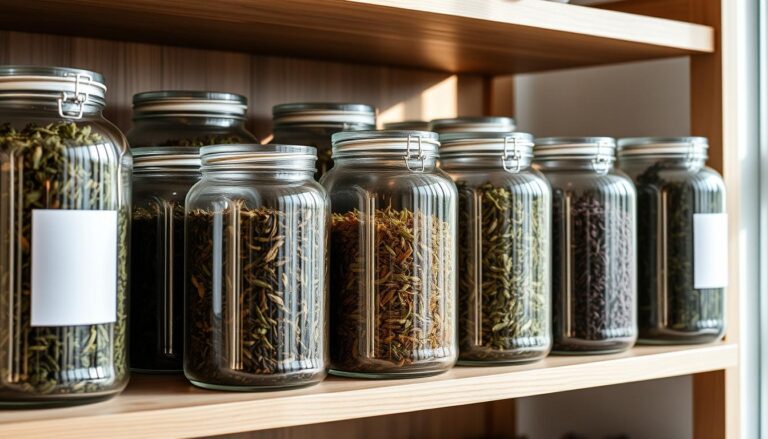
So, you’ve taken the delightful plunge into the world of loose leaf tea! You’re discovering the vibrant greens, the complex oolongs, the robust blacks, and maybe even the delicate whites. Each cup is an adventure. But have you ever brewed a once-favorite tea only to find it… lacking? That bright, captivating aroma might be muted, the flavor flat and uninspired. Chances are, your tea wasn’t stored quite right.
Don’t worry, it’s a common hiccup for newcomers! The good news is that preserving the freshness and wonderful character of your loose leaf tea isn’t complicated. Think of your tea leaves as delicate treasures; they just need a little protection from the elements. This guide will walk you through everything you need to know to keep your tea tasting its absolute best, cup after cup. Learn the best way to store loose leaf tea and extend its tea shelf life.
The 5 Arch-Enemies of Fresh Tea

To understand how to store tea and how to keep tea fresh, we first need to know what makes it lose its charm. There are five main culprits to watch out for:
- Light: Sunlight and even strong artificial light are bad news. Light, especially UV rays, can degrade the tea leaves, breaking down the essential oils and chlorophyll. This leads to a loss of flavor, aroma, and that beautiful vibrant color, especially in greener teas.
- Air (Oxygen): While oxygen is essential for us, it’s a slow enemy to tea. Exposure to air leads to oxidation, a chemical process that changes the tea’s compounds. For some teas, like black tea, oxidation is a crucial part of their production. But once your tea is processed and packaged, further unwanted oxidation will dull its flavor and aroma.
- Moisture: Tea leaves are hygroscopic, meaning they readily absorb moisture from the air. Even a tiny amount of dampness can make your tea taste stale and, in worse cases, can lead to mold growth – definitely not something you want in your cup!
- Odors: Tea leaves are like sponges for smells. If you store your precious jasmine green tea next to your coffee beans or a fragrant spice rack, don’t be surprised if it starts tasting a bit… confused. It will absorb those strong surrounding aromas, masking its own delicate scent. This is why storing different types of tea together is also not recommended.
- Heat: Heat accelerates all the degradation processes mentioned above. Storing tea near a stove, a sunny window, or any heat source will quickly diminish its quality, “cooking” away its delicate nuances.
Choosing Your Storage Champions: The Best Containers

Now that you know the enemies, let’s talk about defense. The right container is your tea’s best friend. Finding the best tea storage containers is key.
- Key Features of Good Tea Containers
- Airtight: This is non-negotiable. The container must have a snug-fitting lid to keep air and moisture out, and aromas in. An airtight tea canister is your goal.
- Opaque: To protect from light, choose materials you can’t see through.
- Best Materials:
- Tin or Stainless Steel: These are classic choices for a reason. They are opaque, generally airtight (look for good seals), and don’t impart any flavors. Many specialty tea caddies are made from tin.
- Ceramic (with a good seal): Opaque and inert. Ensure the lid has a silicone or cork seal to make it truly airtight. Be mindful that unglazed ceramic can be porous.
- Dark-Colored or UV-Protected Glass: If you love the look of glass, opt for very dark amber or violet glass, and still store it in a dark cupboard or drawer. Clear glass is a no-go unless it’s kept in complete darkness.
- Materials to Generally Avoid:
- Plastic: While some high-quality, food-grade plastics might be okay for short-term storage if they are airtight and opaque, many plastics can absorb and impart odors. Over time, tea can pick up a “plasticky” taste.
- Paper Bags (for long-term): The bag your tea came in might be fine for a few weeks, especially if it’s a resealable, foil-lined pouch. However, simple paper bags offer little protection against air, moisture, or odors.
- Original Packaging vs. Dedicated Tea Caddy?
This is a common question! If your tea arrives in a high-quality, resealable, foil-lined, opaque pouch, it can be perfectly adequate for a while, especially if you plan to consume the tea within a few weeks or months. Squeeze out excess air before resealing.
However, for longer-term storage, or if you simply want the best protection and a more elegant solution, transferring your tea to a dedicated tea caddy made from one of the recommended materials above is generally a better bet. It offers a more robust barrier against the elements.
The Best Place to Store Your Tea
Knowing the right container is half the battle; the other half is choosing the right location. The ideal place to store your loose leaf tea is:
- In a Cool, Dark, Dry Cabinet or Pantry: This provides protection from light, heat, and significant moisture fluctuations. A kitchen cabinet away from appliances that generate heat (like the oven, dishwasher, or refrigerator motor) is often perfect. A dedicated food pantry is also excellent.
Places to Definitely Avoid:
- Above the Stove: High heat and grease vapors are terrible for tea.
- On an Open Counter or Shelf: Exposed to light, dust, and potential kitchen odors.
- Near a Window: Direct sunlight will quickly degrade the leaves.
- In the Refrigerator or Freezer: As discussed below, this can introduce damaging moisture and odors for most teas.
- Near Strong Aromas: Keep tea away from coffee, spices, scented candles, or cleaning supplies. Remember, tea leaves absorb smells easily.
Maintaining an ideal tea storage temperature is important; aim for a cool spot, ideally between 50°F and 68°F (10°C to 20°C). Consistency is key – avoid locations with drastic temperature swings.
Storage Needs for Different Tea Types
While the “five enemies” rule applies to all teas, some types are more sensitive than others.
1. Green Teas & Lightly Oxidized Oolongs:
These are often the most delicate. Their fresh, grassy, vegetal, or floral notes are volatile. Airtightness and protection from light and heat are absolutely paramount. Think of Japanese Sencha or a delicate Taiwanese Baozhong. For optimal freshness, especially for high-grade varieties, some enthusiasts take extra precautions like vacuum-sealing large quantities and keeping them in a consistent cool environment, though avoiding standard home refrigeration is still advised for opened packages.
2. Oolong Teas:
This category is incredibly diverse, ranging from light, green-ish oolongs to darker, more heavily oxidized and roasted ones. The lighter ones need care similar to green teas. Darker oolongs are a bit more forgiving but still deserve good storage.
Take, for example, the wonderfully aromatic Phoenix Dancong oolongs from China. These teas are celebrated for their incredible range of natural scents that can mimic everything from honey orchid and almond to ginger flower and night-blooming jasmine. These complex, captivating aromas are derived from unique volatile compounds in the leaves. If you’re lucky enough to have some exquisite Dancong, you’ll want to protect those delicate, captivating aromas by storing it impeccably in an airtight, opaque container, away from any strong smells. Poor storage would quickly rob it of its very essence, muting its signature fragrance and leaving you with a shadow of its potential.
3. Black Teas:
Generally more robust and stable due to their full oxidation. However, they will still go stale if left exposed to air, light, and moisture for too long. While more forgiving than greens or light oolongs, proper airtight, opaque storage in a cool, dark place is still essential to maintain their flavor integrity.
4. White Teas:
Known for their delicate, often subtly sweet and fruity notes. Like green teas, they are sensitive and benefit from careful storage to preserve their nuanced character. An airtight, opaque container is necessary. Some aged white teas are intended to mature, similar to Pu-erh, but this requires specific aging conditions distinct from simple storage.
5. Herbal Teas (Tisanes):
While technically not from the Camellia sinensis plant, dried herbs, fruits, and flowers used for herbal teas also benefit greatly from proper storage. Like true teas, they are susceptible to losing their aroma and flavor when exposed to light, air, moisture, heat, and odors. Treat them similarly to green or white teas: store them in airtight, opaque containers away from heat and light to keep their vibrant characteristics intact.
5. Pu-erh Tea:
This is a unique case, particularly aged or raw (sheng) Pu-erh, which is meant to evolve over time through microbial activity and slow oxidation. It benefits from some controlled exposure to air and humidity to facilitate aging, but it still needs to be protected from strong odors, excessive moisture, and direct light. Storing Pu-erh properly for aging is an advanced topic. For beginners or those with loose Pu-erh that isn’t specifically being aged, treating it more like a black tea (airtight, opaque, cool, dark, odor-free) will help preserve its current state, although a completely airtight environment isn’t traditional for aging cakes. Many traditional methods involve storing cakes in their original paper wrappers within breathable materials like bamboo husks or clay jars in temperature/humidity-controlled environments.
The Cold Debate: To Refrigerate or Freeze Your Tea?
You might have heard conflicting advice about putting tea in the fridge or freezer. Here’s the general consensus for home tea drinkers:
- For most teas, most of the time: Avoid the fridge and freezer.
Why? Refrigerators are humid environments full of strong food odors. Your tea will likely absorb both, leading to a damp, strangely flavored brew. Freezing carries a huge risk of condensation. When you take the tea out, moisture will condense on the cold leaves, damaging them. - When might it be acceptable (with extreme caution)?
Some tea connoisseurs, particularly in Japan, store specific, very delicate green teas (like high-grade Gyokuro or Matcha) in the freezer for long-term bulk storage. This is only done if the tea is in its original, unopened, truly vacuum-sealed packaging. Once opened, it should be consumed relatively quickly and not refrozen. If you do this, you must allow the package to come to room temperature completely before opening it to avoid condensation.
For beginners, the risks generally outweigh the benefits. Stick to cool, dark, dry, and airtight storage at room temperature.
How Long Does Loose Leaf Tea Last?
The shelf life of loose leaf tea depends heavily on the type of tea and how it is stored. While tea doesn’t typically “spoil” in a way that makes you sick (unless mold grows due to moisture), it does go “stale,” losing its desirable flavor and aroma. Proper storage significantly extends its vitality.
Here are some general guidelines for how long different types of loose leaf tea can maintain good quality when stored correctly in an airtight, opaque container in a cool, dark place:
- Green Teas & Lightly Oxidized Oolongs: Most delicate. Best consumed within 6-12 months after opening. High-quality, very fresh greens might noticeably fade even sooner if not stored perfectly.
- Black Teas & Darker Oolongs: More oxidized, so more stable. Can often last for 12-18 months after opening.
- White Teas: Similar to green teas in delicacy. Best within 6-12 months after opening, though some aged whites are intended for maturation.
- Herbal Teas: Varies depending on the ingredients, but generally best within 6-12 months to preserve potency and flavor.
- Pu-erh Tea: If you are aging Pu-erh under controlled conditions, it can last for decades and improve. If you have loose Pu-erh and are storing it for general consumption, treat it more like black tea, aiming to consume it within 1-2 years to enjoy its characteristics before they change significantly.
Note that these are general guidelines once the tea package has been opened. Unopened, vacuum-sealed, or very well-packaged tea can often last longer. The key is to use your senses – if it looks dull, smells flat or off, or tastes weak, it’s past its prime. For long-term storage beyond these typical ranges, especially for delicate teas, advanced methods like specific vacuum sealing or freezing (with extreme caution as noted above) might be considered, distinct from standard short-term storage.
Spotting the Signs: How to Tell if Your Tea Has Gone Stale
Beyond just a “bad” taste, how can you tell if your tea is past its prime?
- Dry Leaf Appearance: Fresh tea leaves often have a certain vibrancy or sheen. Stale tea might look dull, dusty, or overly brittle. Colors may appear faded.
- Dry Leaf Aroma: This is a big one. Stick your nose in the caddy. Does it smell like it should? Green teas should have a fresh, grassy, or vegetal scent. Black teas might be malty or fruity. If the aroma is faint, non-existent, or smells like old paper, hay, or dust, it’s likely stale. If it smells like last night’s dinner, it’s absorbed odors.
- Brewed Aroma: A weak or “off” aroma from the brewed tea is another clear sign.
- Taste: The most obvious, of course. Stale tea will taste flat, weak, uninteresting, or sometimes unpleasantly bitter or astringent in a way it didn’t before. The characteristic notes you loved will be missing.
It’s worth noting that some teas, like Pu-erh and certain aged white teas, are intentionally aged and develop complex flavors over time. This is a controlled process, very different from spoilage due to poor storage.
Quick Rules: The Dos and Don’ts of Tea Storage
To quickly recap the most important points for keeping your tea fresh:
DOs:
- Store in airtight, opaque containers. Tin, stainless steel, dark ceramic, or dark UV-protected glass are excellent.
- Choose a cool, dark, dry place like a kitchen cabinet or pantry, away from heat and light sources.
- Keep different teas (and anything else fragrant!) separate to prevent odor absorption.
- Use a dedicated container for each tea type if possible.
- Close the container tightly immediately after removing the tea you need.
- Consume tea within its recommended shelf life for the best flavor experience (generally 6-18 months for most types).
DON’Ts:
- Don’t use clear glass or plastic containers for long-term storage.
- Don’t store tea near heat sources like stoves or appliances.
- Don’t store tea in humid areas like directly above a kettle or near a sink.
- Don’t store tea next to strong smells like coffee, spices, or cleaning products.
- Don’t refrigerate or freeze most teas due to the risk of moisture and odor absorption (unless using advanced, specific methods for unopened, vacuum-sealed packages).
- Don’t leave tea packages open or loosely sealed.
A Little Care Goes a Long Way
Storing your loose leaf tea correctly might seem like a lot to remember at first, but it quickly becomes second nature. By keeping your precious leaves away from their five enemies – light, air, moisture, odors, and heat – you’ll ensure that every cup you brew is as fresh, flavorful, and aromatic as it was meant to be.
So, invest in a few good caddies, find a cool, dark spot in your kitchen, and enjoy the full, wonderful journey your tea has to offer! Happy steeping!
FAQ
Q: What are the main factors that affect tea freshness?
A: Tea freshness is affected by heat, light, air, moisture, and odors. These elements can harm the quality, flavor, and aroma of your tea if not managed well.
Q: What’s the best type of container for storing loose leaf tea?
A: Use opaque, airtight containers for your tea. Tea caddies, tins, or dark glass jars are great. Stay away from plastic as it can change your tea’s taste.
Q: How should I store oolong tea after opening?
A: After opening oolong tea, seal it in an airtight container. For big amounts, split it into smaller parts. Vacuum sealing removes air and keeps the tea fresh.
Q: What’s the ideal temperature range for storing loose leaf tea?
A: Store your tea between 50°F and 68°F (10°C to 20°C). Keep it cool, away from heat.
Q: Is it okay to store loose leaf tea in the refrigerator?
A: Storing most teas in the fridge is not recommended. It can cause moisture and damage. But, for green tea, refrigeration might work if done carefully.
Q: What are some common mistakes when storing loose leaf tea?
A: Mistakes include using clear containers and not keeping them airtight. Also, avoid strong smells, humid places, and forgetfulness.
Q: How long can loose leaf tea stay fresh when stored properly?
A: Properly stored tea stays fresh for months to a year. Some teas, like pu-erh, can get better with age.
Q: Are there any differences in storing tea for short-term versus long-term?
A: Yes, there are differences. For short-term, airtight containers in a cool, dark spot are fine. For long-term, vacuum seal, like for green and white teas.
Q: Can I store different types of tea together?
A: It’s best to store teas separately to avoid flavor mixing. Each tea type has its own storage needs.
Q: How should I store pu-erh tea?
A: Pu-erh tea needs some air and temperature changes. But, keep it away from strong smells and moisture. Many use clay containers for storage.