
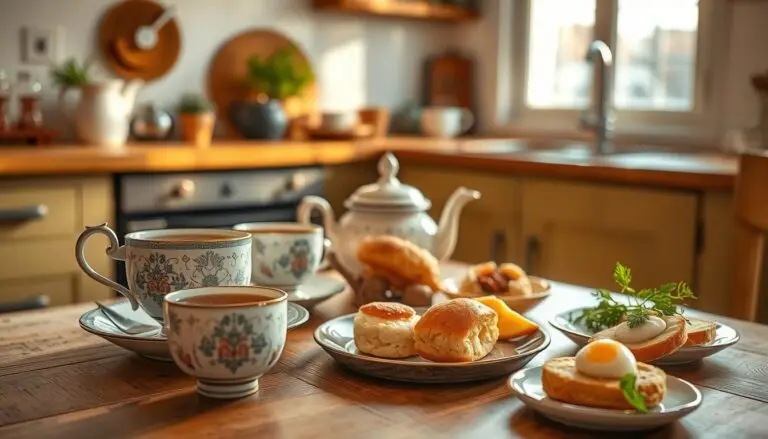
For many, the afternoon tea ritual is a cherished tradition—a symphony of delicate sandwiches, warm scones, and exquisite pastries. The tea itself is often a familiar and comforting constant, a robust English Breakfast or a fragrant Earl Grey. But what if the tea was not just a companion, but an active participant in this culinary performance? What if it could elevate the flavour of a cucumber sandwich, cut through the richness of clotted cream, or harmonise with the sweetness of a lemon tart in the same way a sommelier selects a wine to perfect a dish?
Welcome to the art of tea pairing. This is a journey of sensory discovery that transforms a simple cup into a dynamic culinary tool. Forget rigid rules; think of this as a guide to principles, empowering you to experiment and find the combinations that delight your palate. We will explore the fundamental concepts of pairing and apply them to the classic afternoon tea menu, revealing how a thoughtful choice of tea can unlock a new dimension of flavour.
The Fundamentals: Thinking Like a Tea Sommelier
The principles of tea pairing are beautifully simple and will be instantly familiar to anyone who enjoys wine. It’s a dance between complementing and contrasting flavours and textures.
- Contrasting Pairing (Balance): Here, opposites attract. The aim is to use the tea to balance or enhance a specific quality in the food. A brisk, astringent tea can cut through a rich, fatty dish, cleansing the palate and preparing it for the next bite. A sweet, malty tea can provide a wonderful juxtaposition to a sharp, salty cheese.
- Complementary Pairing (Harmony): The most intuitive approach is to match like with like. The goal is to create a seamless harmony where the tea and food share similar flavour profiles. A light, floral tea will beautifully echo the notes in a delicate, fruit-based pastry. A smoky tea will find a natural partner in a piece of smoked salmon.
A Palette of Teas: Understanding the Pairing Potential
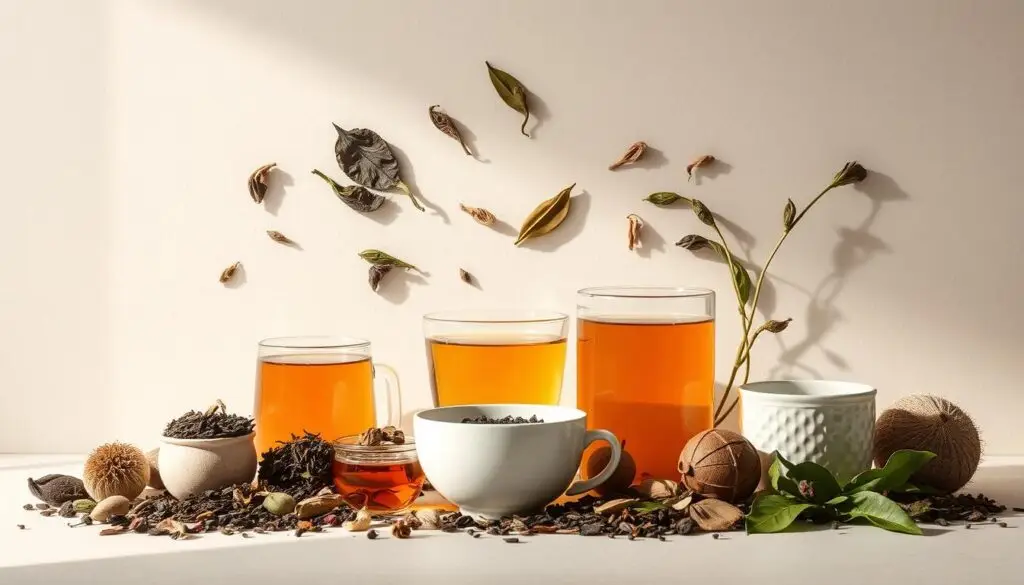
Before we build our menu, let’s understand our tools. Each category of tea offers a unique profile.
- Pu-erh Tea: Deeply earthy, rich, and smooth. An acquired taste, but an unparalleled partner for very rich, heavy, or oily foods.
- Green Tea: Characterised by fresh, vegetal, and sometimes marine notes. Think of it as a crisp, dry white wine.
- White Tea: The most delicate of all, with subtle, sweet notes of melon, hay, and honey.
- Oolong Tea: The most versatile and exciting category. Its partial oxidation creates a vast spectrum, from light, floral oolongs that behave like green teas, to dark, roasted oolongs with the complexity of a fine red wine.
- Black Tea: Robust, malty, and often tannic. The classic choice for a reason, its strength can stand up to powerful flavours.
Pairing the Perfect Afternoon Tea
Let’s apply these principles to the three iconic tiers of the afternoon tea stand.
1. The First Tier: Savoury Sandwiches
The delicate nature of finger sandwiches calls for a tea that will complement without overwhelming.
- Cucumber & Cream Cheese or Egg Mayonnaise: A light touch is needed. A classic Darjeeling from the first flush, with its muscatel and floral notes, is a perfect complementary pairing. A high-quality Dragon Well (Longjing) Green Tea also works beautifully, its gentle chestnut notes echoing the freshness of the sandwich.
- Smoked Salmon & Dill: Here you can either complement or contrast. A smoky Lapsang Souchong will harmonise with the salmon’s flavour. Alternatively, a squeeze of lemon is a classic addition to salmon; a bright, citrusy Earl Grey can play a similar contrasting role, cleansing the palate with its bergamot top note.
2. The Second Tier: Scones with Jam and Clotted Cream
This is the heart of the afternoon tea, and a moment that demands a contrasting pairing. The richness of the clotted cream and the sweetness of the jam require a tea with enough structure and astringency to cut through and refresh the palate.
- The Classic Choice: A robust and malty Assam or a well-blended English Breakfast tea is the traditional and perfect partner. The tea’s brisk tannins act as a palate cleanser, preventing the richness from becoming overwhelming and preparing you for the next delicious bite.
3. The Third Tier: Cakes and Patisserie
This is where the art of pairing truly comes alive, and where oolong tea, in particular, demonstrates its remarkable versatility.
Almond Macarons or Honey-Drizzled Cakes: This is the moment for Phoenix Dancong Oolong. A Mi Lan Xiang (Honey Orchid Aroma) is a revelation here. Its natural, perfume-like aroma of honey and lychee creates a breathtaking complementary pairing, echoing and elevating the sweetness of the pastry in a way no other tea can.
Lemon Tarts & Fruit-Based Pastries: A lightly oxidized oolong, such as a floral Tie Guan Yin (Iron Goddess of Mercy), is a sublime choice. Its notes of lilac and orchid will beautifully complement the bright, zesty fruit without competing.
Chocolate Éclairs or Rich Chocolate Cake: The classic pairing is a strong black tea, but for a more nuanced experience, try a heavily roasted oolong. The dark, nutty, and caramel notes of the tea will harmonise perfectly with the chocolate and choux pastry.
The Connoisseur’s Secret Weapon: The Magic of Phoenix Dancong Oolong
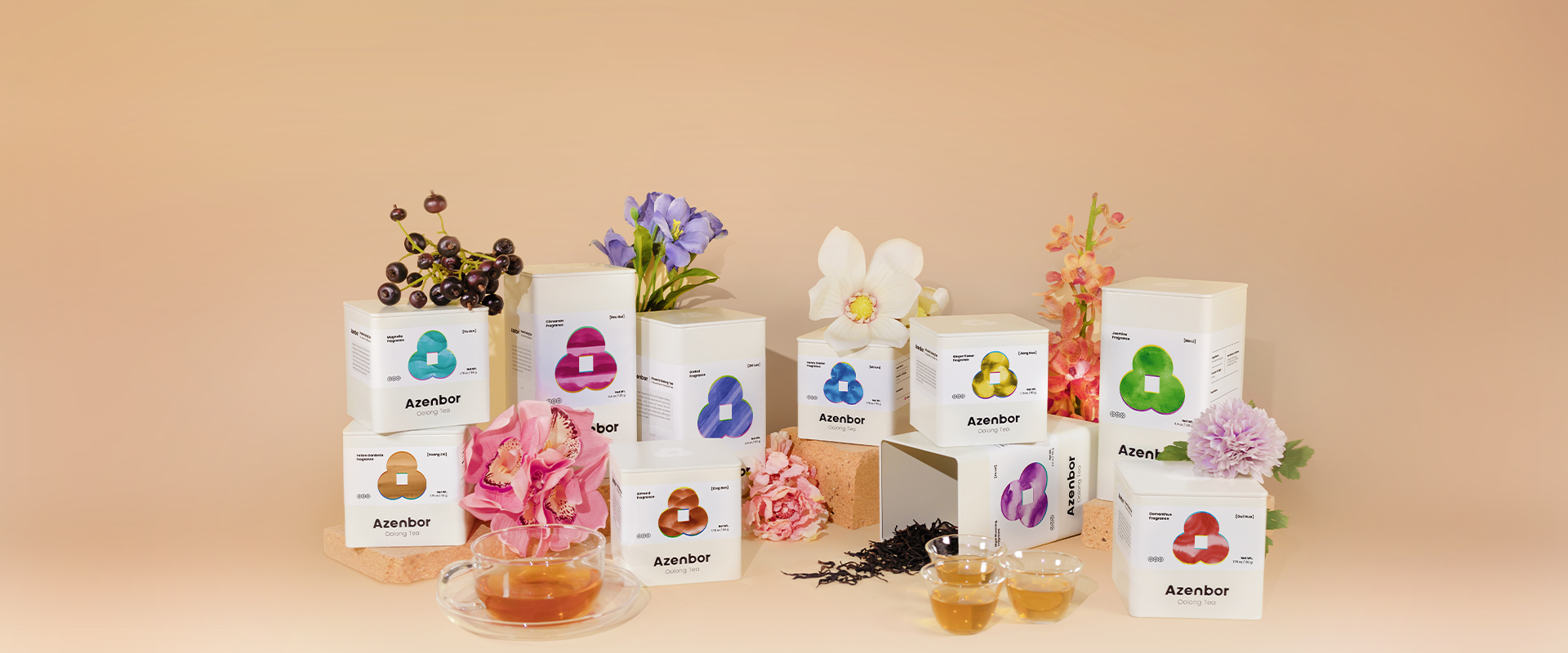
For those looking to elevate their pairing game, Phoenix Dancong is the ultimate tool. Each Dancong is cultivated to produce a specific, natural aroma, making them the sommelier’s secret weapon. Imagine pairing a dish not just with a flavour, but with a targeted fragrance.
- Honey Orchid Fragrance (Mi Lan): Pairs beautifully with anything containing honey, almonds, or stone fruits like apricot and peach.
- Cinnamon Fragrance(Rou Gui ): A stunning partner for apple tarts, cinnamon buns, or even a rich carrot cake, where its natural warming spice notes can complement the dessert.
- Ginger Flower Fragrance (Jiang Hua ): Its creamy, floral profile is perfect with panna cotta, crème brûlée, or pastries with a vanilla custard filling.
Beyond the Tea Stand: Oolong with Cheese and Chocolate
The versatility of tea, especially oolong, extends far beyond pastries.
- Tea and Cheese: A classic European pairing reimagined. A nutty, medium-roast oolong is a fantastic partner for a slice of aged Comté or a mature Gouda. The tea’s subtle sweetness balances the saltiness of the cheese, while its roasted notes complement the cheese’s nutty character.
- Tea and Chocolate: Move beyond black tea. The complex, fruity, and floral notes of a fine Dancong oolong can bring out hidden nuances in a high-quality single-origin dark chocolate, creating a tasting experience of incredible depth.
A Simple Guide to Begin Your Journey
- Start Simple: Don’t try to pair an entire multi-course meal at first. Pick one item—a piece of cheese, a favourite biscuit, a square of chocolate—and brew two different teas to taste alongside it.
- Trust Your Palate: There are no “wrong” answers. If a combination tastes wonderful to you, then it is a successful pairing.
- Host a Tasting: The most enjoyable way to learn is with friends. Prepare a simple selection of bites and a few different teas, and share your discoveries.
The art of tea pairing is an invitation to be more mindful and present, to notice the subtle interplay of flavour and aroma. It transforms a familiar ritual into a continuous journey of discovery, proving that within a simple cup of tea lies a world of culinary possibility.