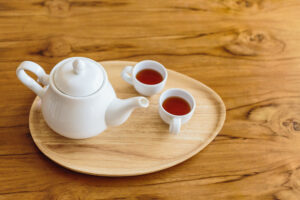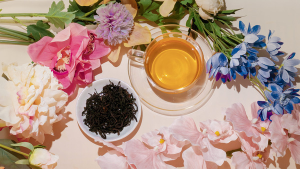


There are few discomforts as universally familiar as a sore throat. That raw, scratchy, and insistent irritation can disrupt your day and steal your sleep. In these moments, we instinctively reach for comfort, and for centuries, one of the most trusted sources of that comfort has been a simple, warm cup of tea. The act of brewing and sipping is a ritual of self-care, a gentle way to hydrate, soothe, and support your body.
But which teas are truly best for the job? This guide will explore the most effective and comforting teas for a sore throat, from time-honoured herbal infusions to the surprising sensory solace found in the world of true teas. We’ll delve into why they work, how to enhance them, and the art of brewing for maximum comfort, helping you turn a moment of discomfort into an opportunity for gentle restoration.
Why a Warm Cup is Your First Line of Defence
Before we explore specific teas, it’s helpful to understand why a warm brew is so effective. The comfort it provides is not just psychological; it’s rooted in tangible, physical benefits.
- Hydration: Staying hydrated is crucial for recovery. A sore throat is often a symptom of illness, and your body needs fluids to fight it off and keep your throat’s mucous membranes moist.
- Warmth & Steam: The warmth of the liquid provides immediate, targeted relief, helping to relax the muscles in your throat. The steam that rises from the cup is equally important; inhaling it can help to open up nasal passages and soothe your airways.
- Targeted Ingredients: Many teas and herbal infusions contain natural compounds with beneficial properties, from anti-inflammatory and antioxidant to antimicrobial, offering more than just simple hydration.
The Herbal Apothecary: Time-Tested Tisanes for Throat Relief
These caffeine-free herbal infusions, or tisanes, are the cornerstones of throat-soothing remedies.
1. Peppermint: The Cooling Relief
Peppermint is a classic for a reason. Its primary active compound, menthol, is a natural decongestant and provides a powerful cooling, numbing sensation that can temporarily relieve pain and irritation. The steam from a cup of peppermint tea is particularly potent for helping to clear sinuses.
2. Chamomile: The Calming Anti-Inflammatory
Renowned for its calming properties, chamomile is more than just a sleep aid. It possesses natural anti-inflammatory and antioxidant properties, which can help to reduce swelling and redness in the throat. Its gentle, apple-like flavour and silky texture make it an incredibly soothing and easy-to-drink choice.
3. Ginger Root: The Warming Spice
Fresh ginger root has been a staple in traditional medicine for millennia. It is a powerful anti-inflammatory and its pungent, spicy character promotes salivation, which can help to lubricate a dry, scratchy throat. A tea made by simmering fresh ginger slices is a warming, invigorating brew that feels wonderfully active.
4. Licorice Root: The Natural Demulcent
Licorice root has a unique, sweet flavour and is a well-known demulcent—a substance that forms a soothing, protective film over a mucous membrane. This coating action can provide lasting relief from the raw feeling of a sore throat. (Note: It should be consumed in moderation, especially by those with high blood pressure).
The Surprising Comfort of ‘True Teas’ (Camellia sinensis)
While herbals are the traditional go-to, teas from the Camellia sinensis plant—green, oolong, and black teas—also offer a unique form of comfort, provided you choose and brew them correctly.
1. Green Tea: The Antioxidant Powerhouse
Green tea is packed with antioxidants, particularly EGCG (epigallocatechin gallate), which has well-documented anti-inflammatory properties. A gently brewed cup of green tea can offer a soothing, supportive lift without the astringency of some other teas. The key is to brew with cooler water (around 80°C) to ensure a smooth, non-bitter result.
2. Oolong Tea: The Connoisseur’s Choice for Sensory Soothing
This is where we move from a purely functional choice to one of profound sensory comfort. While not a traditional “medicinal” tea, a high-quality oolong, particularly a Phoenix Dancong Oolong, can be one of the most pleasant things to drink when your throat is sensitive. Here’s why:
- Exceptional Smoothness: The most common mistake when self-medicating with tea is choosing something harsh or astringent, which only irritates the throat further. A masterfully crafted Dancong oolong is prized for its incredibly smooth, silky, and thick texture. It glides over the palate and throat with a gentle, coating sensation, providing comfort without any abrasive edge.
- The Psychology of Aroma: A sore throat can make you feel dull and miserable. The experience of brewing a Dancong is a form of aromatherapy. As the steam rises from a cup of Mi Lan Xiang (Honey Orchid Aroma), you inhale a stunning, natural perfume of honey and lychee. While it doesn’t contain actual honey, this powerful aromatic association can provide immense psychological comfort, evoking the classic sore throat remedy in a far more elegant form.
The choice of a fine oolong is not about treating the symptom, but about elevating the experience of self-care. It’s a way to introduce a moment of beauty and sensory pleasure into a day of discomfort.
Summary: Choosing Your Soothing Tea
To help you decide, here is a quick summary of the best teas for a sore throat and the unique comfort each one offers.
| Tea / Herbal Infusion | Primary Sensation / Benefit | Key Properties / Why It Helps | Caffeine? |
|---|---|---|---|
| Peppermint | Cooling & Numbing Relief | Contains menthol, a natural decongestant. | Traditional Medicinals |
| Chamomile | Calming & Gentle Soothing | Natural anti-inflammatory properties, relaxing. | Caffeine-Free |
| Ginger Root | Warming & Invigorating Spice | Powerful anti-inflammatory, promotes salivation. | Caffeine-Free |
| Licorice Root | Sweet & Coating Protection | A natural demulcent; forms a protective film. | Caffeine-Free |
| Green Tea | Gentle & Restorative Lift | Rich in antioxidants (EGCG) with anti-inflammatory effects. | Contains Caffeine |
| Oolong Tea (Phoenix Dancong) | Sensory & Aromatic Comfort | Exceptionally smooth, thick texture. Comforting aroma (e.g., honey notes). | Contains Caffeine |
Ultimately, the most effective tea is the one that brings you the most personal comfort. Listen to your body and choose the flavour and sensation that appeals most to you in the moment.
Enhancing Your Brew: Simple, Effective Additions
A few simple additions from your kitchen can amplify the soothing power of any tea or tisane.
- Honey: Perhaps the most famous sore throat remedy of all. Honey is another natural demulcent that coats the throat. Look for raw, unprocessed honey, which also retains some natural antimicrobial properties.
- Lemon: A squeeze of fresh lemon juice not only adds a bright flavour but also provides a dose of Vitamin C. Its mild astringency can also help to shrink swollen throat tissues.
- A Pinch of Salt: While it may sound strange to add to tea, a very small pinch of salt in your cup (or better yet, gargling with warm salt water before you drink your tea) can help to reduce swelling and cleanse the throat.
The Way of Brewing for Comfort
When your throat is sensitive, how you brew is as important as what you brew. The goal is always a gentle, smooth extraction.
- Watch Your Temperature: As mentioned, never use boiling water on green tea. For herbals and oolongs, water just off the boil (around 95°C) is perfect.
- Don’t Over-Steep: A longer steep time doesn’t mean more benefits; it often just means more bitterness. Follow the recommended times (typically 2-4 minutes for most teas) and taste as you go.
- Prioritise Loose Leaf: Loose-leaf teas, especially oolongs with their large leaves, allow for a more balanced and nuanced infusion, giving you more control over the final taste and smoothness.
A Note on Wellness: Listening to Your Body
This guide is intended to provide options for comfort and support during a common ailment. These teas are wonderful tools for self-care, but they are not a substitute for professional medical advice. A sore throat is usually a temporary symptom of a minor illness, but if your symptoms are severe, persist for more than a few days, or are accompanied by a high fever, it is always best to consult a healthcare professional.
Ultimately, the best tea for your sore throat is the one that makes you feel the most comforted and cared for. Whether it’s the cooling rush of peppermint, the gentle calm of chamomile, or the sophisticated, aromatic solace of a fine oolong, the simple ritual of a warm cup is a powerful way to soothe your body and lift your spirits.
FAQ
Why are teas considered effective for soothing throat discomfort?
Teas are a warm, hydrating drink that helps lubricate the throat. They reduce dryness and offer antioxidants and anti-inflammatory properties. While they don’t cure infections, they help manage throat pain.
Which teas are best for relief before bedtime?
For a good night’s sleep, try caffeine-free teas like chamomile or licorice root. They calm you down and soothe the throat. Opt for organic teas to avoid additives that might irritate your throat.
How long should I steep my herbal tea for maximum healing benefits?
Steep your tea for 5–10 minutes to get the most benefits. This lets the tea’s oils, like chamomile’s, infuse into the water. Covering your cup keeps the oils in, making the tea more effective.
Will adding honey and lemon to my tea help fight infections?
Honey and lemon can’t cure infections, but they help. Lemon boosts your immune system, and honey has antibacterial properties. Together, they create a soothing drink that tastes great.
Are there any side effects to watch out for when drinking herbal teas?
Most herbal teas are safe, but some can be risky in large amounts. For example, licorice root can raise blood pressure. If you have health issues, talk to your doctor before trying new teas.
How many cups per day should I drink for effective throat soothing?
Drinking several cups a day keeps your throat moist and supported. Be careful with caffeine in green or black tea. Staying hydrated is key for healing.
Can I combine tea consumption with other at-home remedies?
Yes, you can use teas with other remedies like salt water gargling and humidifiers. These simple steps can help you recover faster and feel better.
What are the most common mistakes people make when preparing herbal teas?
Using the wrong water temperature, steeping time, or adding too much sugar can ruin the tea’s benefits. Also, some teas might not be good for certain health conditions. Paying attention to how you make your tea and your health needs is important.